
Community Access Support: Ideas That Build Confidence and Independence
Getting out into the community can build confidence, create connections and open up more choices. The right support can help people explore their interests, develop everyday skills and take part in activities that matter to them, at their own pace.
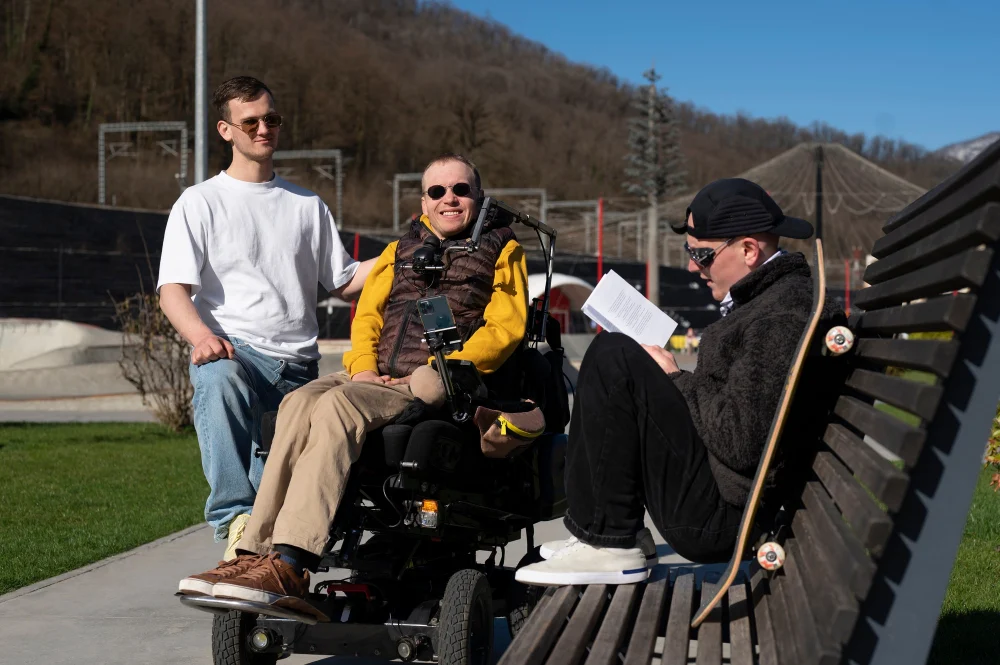
Getting out into the community can open up more choices, connections and everyday opportunities. Here are practical ways to make support work around your interests, needs and pace.
Perhaps you would like to join a local group but feel unsure about walking in for the first time. You might want to do your own shopping, meet a friend for lunch or return to an activity you used to enjoy.
Knowing what you want to do is one thing. Working out how to get there, what help you need and whether the place will suit you can be another.
Community access support can help with those practical steps. With the right assistance, an outing can become an opportunity to make your own choices, try something unfamiliar or feel more at home in your local community.
What is community access support?
Community access support is a commonly used term for assistance that helps you take part in life outside your home. Depending on your needs, this might include planning an outing, getting around, communicating with others or receiving personal assistance while you are out.
For NDIS participants, it often sits within social and community participation supports. The support should relate to your disability needs and fit the funding available in your plan. Having an activity in mind does not automatically mean every cost can be funded.
Start With What Matters to You
A useful starting question is: “What would I like to do more of?”
You might miss visiting the library, want to reconnect with your cultural community or prefer spending time with one friend over attending a large group. Your age, interests, communication preferences and energy levels all matter.
NDIA research with people with intellectual disability, psychosocial disability and people on the autism spectrum highlights the value of individualised support, meaningful choices and opportunities to connect. It also identifies barriers such as inaccessible transport and negative community attitudes. NDIS: Social inclusion and community access research.
Difficulty getting out is not always about a person’s confidence.
Before choosing an activity, consider:
- Interest: Is this something you actually want to do?
- Access: Will the venue, transport and communication arrangements work for you?
- Pace: Would a short visit, quieter time or regular routine help?
- Support: What assistance would make participating easier?
- Cost: What will you need to pay yourself?
Six community access ideas to try
These are starting points to adapt with your support worker, rather than a list of activities everyone should complete.
Make an everyday errand your own
A trip to the shops can give you a chance to practise something useful. You might choose ingredients for dinner, find an item on your list, compare prices or ask where something is kept.
For example, you could agree that you will choose and pay for two items while your worker helps you navigate the shop. On another visit, you might want to try using the checkout with fewer prompts.
Allow enough time so the worker can follow your pace. If you already know how to shop and need physical assistance, the support should reflect that.
Get familiar with a local place
A library, community centre or nearby café can be a manageable place to begin. A first visit could involve finding the entrance, looking around and deciding whether you would like to return.
At the library, you might ask about borrowing books or upcoming activities. At a café, you could choose where to sit and order using speech, a written message or your communication device.
Returning to the same place can give you opportunities to become familiar with the layout and people. There is no requirement to move on to somewhere busier.

Explore a hobby with other people
An art group, gardening club, board game session or local history group gives you something in common with the people you meet.
If joining feels like a big step, you could contact the organiser together first. Ask about group size, accessibility, breaks and whether you can visit before committing. Before your worker contacts the organiser, agree on what information you want them to share.
Your worker might help you understand instructions or communicate what you need. You can decide how much you want to join in, including whether you would prefer to observe on the first visit.
Practise a journey that matters to you
If using public transport is suitable for you and available locally, choose a route you have a reason to learn, such as the trip to a friend’s house or a regular activity.
With appropriate support, you could practise finding the stop, recognising where to get off and asking for assistance. Include what to do if a service is cancelled or you miss your stop.
Any change in assistance should be agreed with you and based on your needs and the risks involved. Where public transport is inaccessible or unavailable, planning another suitable transport option can still give you more control over your outings.
Spend time outdoors in a way you enjoy
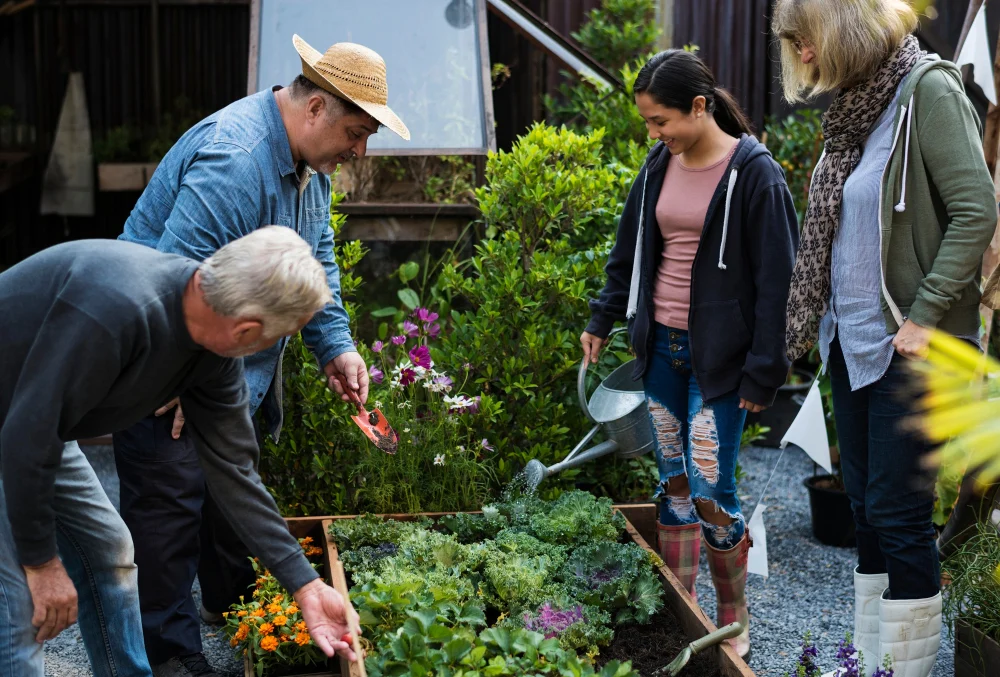
A visit to a park, accessible walking path or community garden can offer a change of scenery without needing a packed schedule.
You might choose the route, take photographs or arrange to meet someone there. Check practical details beforehand, including seating, shade, toilets, surfaces and the distance from parking or transport.
Adapt the outing to the weather and how you feel that day. A shorter visit can still be worthwhile.
Reconnect or contribute
Community participation can mean keeping an existing connection going. You might want support to visit a relative, attend a cultural or faith gathering, or organise a catch-up with a friend.
If volunteering interests you, a short role at a community garden or local organisation could be worth exploring. Ask about the tasks, access arrangements, supervision and any checks or training required before committing.
The support worker’s role might include helping you organise the visit or get settled, with the assistance you need available throughout.
What should good support look like?
Agree on the worker’s role before heading out. You may want help speaking to an organiser, or prefer to lead the conversation yourself. A worker can ask before stepping in and give you time to respond in your own way.
Information should be provided in a form you understand. The NDIS Practice Standards emphasise informed choice, accessible communication and respect for participants’ values and autonomy. They also recognise dignity of risk: support to understand the benefits and risks of a choice. NDIS Commission: Core module: Rights and responsibilities.
In practice, discuss likely difficulties and what would help. That might mean checking an accessible entrance, planning a break or agreeing on a way to say you want to leave. Feeling overwhelmed is a reason to listen and adjust the plan.
Independence can include ongoing support
For some people, progress means doing part of an activity with less assistance. For others, it means choosing where to go and participating fully while continuing to receive substantial support. The NDIA’s social and recreation guidance recognises that some people need ongoing assistance to participate. NDIS: Social and recreation support.
After an outing, a brief conversation can help: What did you enjoy? What was difficult? Would you like to go again?
Success might be asking a question, making a choice or feeling comfortable enough to return. Enjoyment and maintaining relationships matter too. Every outing does not need to become a lesson, and needing more help on a particular day does not erase previous progress.

What can the NDIS pay for?
The NDIS may fund disability-related assistance you need to participate, where it meets funding requirements. Most social and recreation support is funded through Core. You generally pay ordinary activity expenses yourself, such as meals, entry tickets and standard membership fees. Check separately how any transport will be funded and charged. NDIS: Social and recreation support.
Some skill development may fit Increased Social and Community Participation within Capacity Building. This funding has a specified purpose; you cannot simply move it between Capacity Building categories. Check your plan and ask your my NDIS contact or support coordinator, if you have one, when unsure. NDIS: What are capacity building supports.
Funding update: As of September 2026, the Australian Government says participant budgets for social, civic and community participation supports and capacity building daily activities will be progressively adjusted from 1 October 2026. Before committing to ongoing bookings, ask your my NDIS contact or support coordinator, if you have one, whether the changes affect your plan and the funding available for your supports. Australian Government: Securing the NDIS for future generations.
Before booking, ask the provider for a clear breakdown of support charges, transport costs, personal expenses and cancellation terms.
Final thoughts
Community access support works best when it starts with something you want to do and addresses what is getting in the way. That could mean making a familiar routine easier, returning to an old interest or trying one new thing.
You do not need a full calendar to have a meaningful community life. Having a say in where you go, who you spend time with and how you are supported is a worthwhile starting point.
JNJ Community Support Services provides social and community participation support in Bundaberg, Childers, Gin Gin, Rosedale, Woodgate and surrounding communities. We work alongside participants, families and support coordinators to plan support around individual interests, goals and needs.
Contact our team to discuss what you would like to do and the assistance you need to take part.
References
- NDIS – Social inclusion and community access research
- NDIS Quality and Safeguards Commission – Core module: Rights and responsibilities
- NDIS – Social and recreation support
- NDIS – What are capacity building supports
- Australian Government Department of Health, Disability and Ageing – Securing the NDIS for future generations
Disclaimer
This article provides general information and activity ideas. It does not determine NDIS eligibility or funding approval. Support and funding arrangements depend on individual circumstances and current requirements. Information checked in September 2026.