
Ageing in Place: How to Create a Safer Home, Room by Room
Practical changes that can support comfort, confidence and independence at home
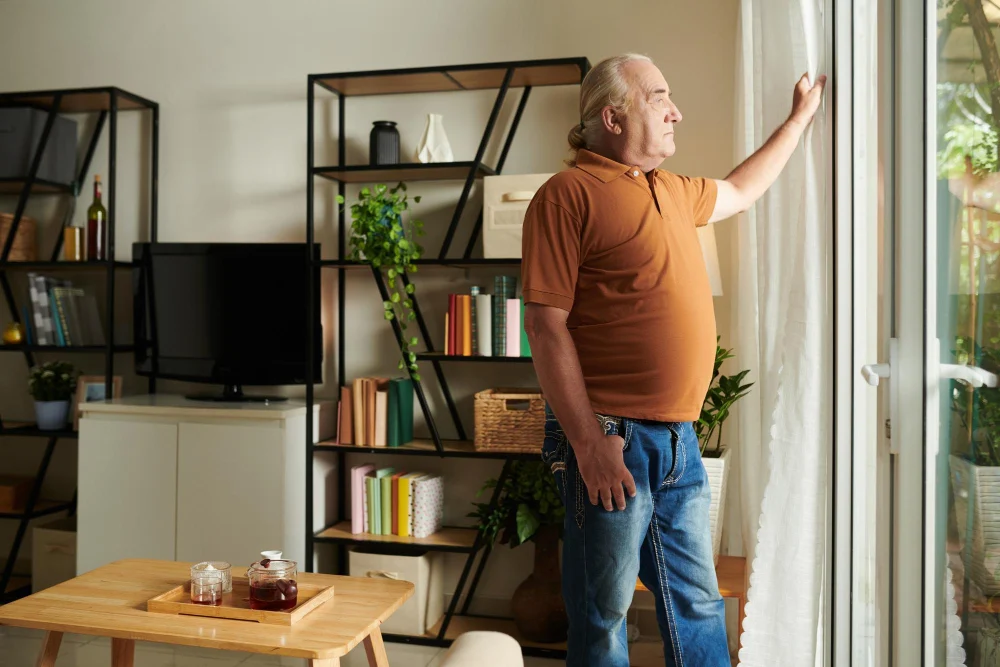
For many older Australians, home means familiar routines, treasured belongings and a connection to the community around them. Ageing in place means continuing to live there as you get older, with an environment and support that suit your changing needs.
That does not mean managing everything alone. It may involve rearranging a room, getting help with physically demanding tasks or installing equipment that makes daily activities easier.
Around half of all falls happen in and around the home. Poor lighting, slippery floors, loose rugs, electrical cords, steps and uneven surfaces are among the common hazards. The good news is that many practical improvements are relatively simple once you know what to look for.
Start with How the Home Is Actually Used
A room can look perfectly tidy and still be difficult for the person living there. Before moving furniture or buying equipment, consider how they normally get out of bed, reach the bathroom at night, prepare a meal, carry washing or enter the house.
Think about which tasks have become harder and whether there have been any recent falls or near misses. It is also worth checking whether a walking aid can move easily through the main pathways. Look around the home at night too, when poor lighting may reveal problems that are not obvious during the day.
Any structural modification or specialised equipment should suit the individual. An occupational therapist can assess how a person manages everyday activities and recommend appropriate changes. Under the Support at Home Assistive Technology and Home Modifications Scheme, all funded home modifications must be prescribed by an occupational therapist.
Room-by-Room Tips for a Safer Home
Entrances, Hallways and Stairs
The way into and through the home should be clear and easy to navigate.
- Remove clutter, loose mats and unnecessary furniture from walkways.
- Repair uneven pavers, damaged flooring and raised carpet edges.
- Improve lighting near doors, steps, stairs and long hallways.
- Make step edges easier to see with a contrasting colour or non-slip marking.
- Check that handrails are secure and positioned appropriately.
If steps have become difficult, ask an occupational therapist whether a rail, ramp or another solution would be suitable before arranging building work.
Living Areas
Living rooms should remain comfortable and familiar while allowing enough space to move freely. Choose stable chairs with armrests that are not too low, as these can make sitting and standing easier. Arrange furniture to provide direct pathways and enough room to turn with a walking frame or other mobility aid. Secure or remove rugs that curl or slide, keep electrical cords away from walkways and place everyday items within easy reach.
Kitchen
Everyday kitchen tasks involve more reaching, bending and carrying than we often notice.
- Store frequently used food, crockery and appliances between waist and shoulder height where possible.
- Avoid climbing on chairs or stools to reach high cupboards.
- Keep a clear section of bench available for preparing meals.
- Clean up spills promptly and replace worn or lifting floor mats.
- Place heavier items where they can be lifted without stretching or twisting.
If preparing meals has become difficult, smaller equipment, changes to storage or help with meal preparation may make the kitchen more manageable without taking away the person’s involvement.
Bathroom and Toilet
Water, smooth surfaces and confined spaces can make the bathroom particularly challenging.
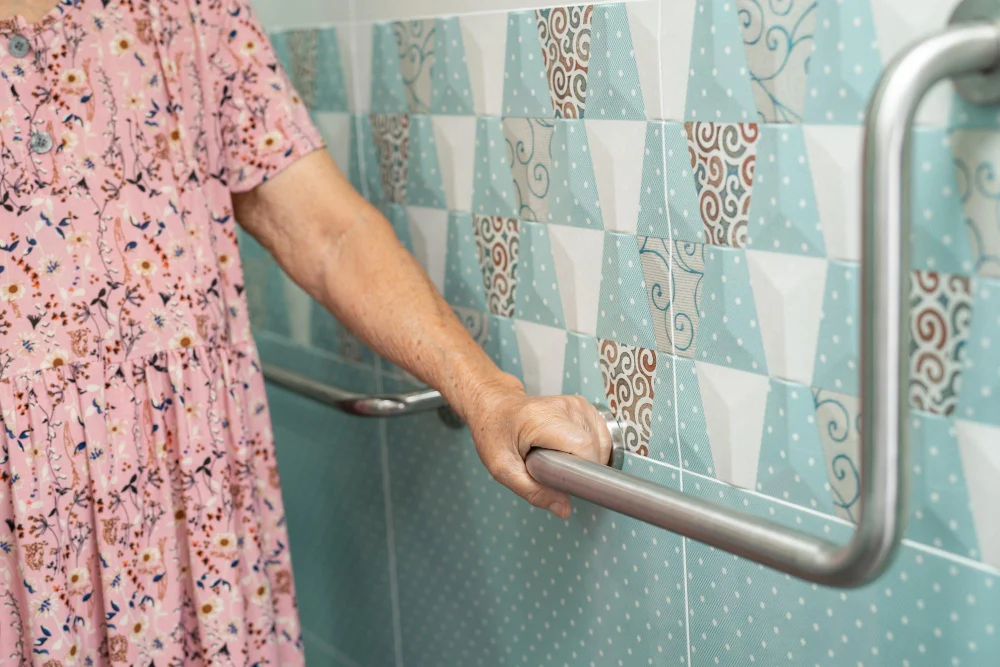
Use suitable non-slip surfaces and replace worn mats. Keep toiletries within comfortable reach and avoid relying on towel rails, shower screens or taps for support. Grab rails need to be installed in the correct location and fixed securely; their placement should be recommended for the individual rather than guessed.
A shower chair, handheld shower head, over-toilet frame or level-access shower may help in some circumstances, but equipment should be properly selected and fitted. An occupational therapist can advise what suits the person and the space.
Bedroom
Keep the route between the bed, doorway and bathroom free from cords, shoes, clutter and trailing bedding. Place a light or easily reached switch beside the bed and consider a night light for the way to the toilet. The bed should allow the person to sit and stand comfortably. Keep glasses, a phone and any personal alarm within reach, and provide a stable chair with armrests if needed while dressing.
Laundry
Laundry can become awkward when lifting, bending or carrying starts to feel more difficult. Keeping supplies within easy reach and handling smaller loads can make the job more manageable. A lightweight basket or laundry trolley may also be easier than carrying a heavy basket that blocks the view of the floor. Attend to leaking hoses, keep the floor dry and leave a clear path between the washing machine, clothesline and storage areas.
Outdoor Areas
Weather and plant growth can gradually make outdoor areas harder to navigate. Clear leaves, moss and garden debris from paths, have unstable pavers repaired and make sure steps and entrances are well lit. Check that rails and gates remain secure, and if mowing, pruning or other maintenance has become difficult, arrange help rather than using a ladder alone.

Do Not Forget Whole-Home Safety
A well-arranged home is only part of the picture. Falls are not the only household risk worth considering, so keep smoke alarms maintained and test them regularly. All existing Queensland homes, townhouses, units and manufactured homes must have interconnected photoelectric smoke alarms by 1 January 2027.
Keep emergency contacts easy to find and consider a personal alarm if there is concern about falling while alone. Well-fitting footwear, vision checks, physical activity and medicine reviews can also affect falls risk. If someone has fallen, feels dizzy or has become less steady, speak with their GP or another appropriate health professional rather than relying only on changes around the house.
Can Aged Care Funding Help?
Eligible older people may be able to access equipment or home modifications through government-funded aged care. Under Support at Home, these are considered during the aged care assessment and approved items must relate to the person’s assessed needs and support plan.
You can apply for an assessment through My Aged Care online or by calling 1800 200 422. Approval and funding are not automatic, so have the person’s difficulties, recent changes and any professional recommendations clearly documented.
Practical Support Can Make Ageing in Place Easier
Ageing in place is not about removing every possible risk or turning a much-loved home into a clinical space. It is about noticing what has become difficult and making sensible changes before a small problem becomes a larger one.
JNJ Community Support Services provides practical assistance with domestic tasks, daily routines, mobility and yard maintenance to help older people remain comfortable and confident at home. Structural modifications and clinical assessments should be completed by appropriately qualified professionals, but reliable everyday support can make an important difference to how manageable the home remains.
If everyday tasks are becoming more difficult or the home is getting harder to manage, contact JNJ Community Support Services to discuss the practical support that may help.
References
- Healthdirect – Older people and falls
- Queensland Health – Healthy Active Ageing for Seniors
- Queensland Health – How to Stay On Your Feet Checklist
- Australian Government Department of Health, Disability and Ageing – Assistive Technology and Home Modifications Scheme
- My Aged Care – How to Get Assessed
- Queensland Fire Department – Smoke Alarms
Disclaimer
This article provides general information only and should not be considered medical, occupational therapy, building or individual aged care advice. A person’s needs and home environment are unique. Seek advice from an appropriately qualified health professional or tradesperson before purchasing specialised equipment or making structural changes to a home. Aged care programs, eligibility requirements and funding arrangements may change over time.