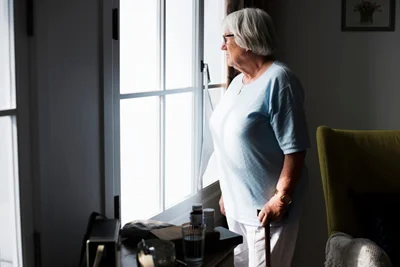
Aging at Home

Helping You Stay Comfortable, Safe and Independent at Home

Support that helps you stay in your own home, on your terms.

Aging at home allows people to remain in familiar surroundings while receiving the support they need to live safely and confidently. It’s about maintaining independence, routines, and dignity — without the need to move into residential care before it’s truly necessary.

At JNJ Community Support Services, we provide practical, reliable support that helps older Australians continue living at home with confidence. Whether support is needed occasionally or on a more regular basis, our services are tailored to suit individual needs, preferences, and daily routines.

We understand that home is more than just a place — it’s where life happens. That’s why our approach focuses on supporting independence while providing the right level of care to ensure safety, well-being, and peace of mind for both participants and their families.

Why Aging at Home Matters

For many people, staying at home is about more than convenience — it’s about maintaining control, identity, and quality of life.

Familiar surroundings can:

  • Support emotional well-being and reduce stress

  • Help maintain independence for longer

  • Keep people connected to their community

  • Provide comfort through routine and familiarity

With the right support in place, aging at home can be a safe, sustainable, and empowering option.

Carer booking with elderly woman

When to Consider Aging at Home Support

It’s not always obvious when extra support is needed. Often, the signs appear gradually — small changes in routine, safety, or confidence that can easily be overlooked.

Support doesn’t mean losing independence. In many cases, it’s what helps maintain it.

You may want to consider aging at home support if you or your loved one are experiencing:

Struggling with cooking, cleaning, laundry, or keeping up with regular household routines.

Increased risk of falls, unsteadiness, or hesitation moving around the home.

Needing assistance with showering, dressing, or maintaining hygiene.

Eating less, skipping meals, or relying on limited food options.

Trouble keeping track of important routines or schedules.

Less interaction with friends, family, or the community.

Needing extra support during recovery or after a decline in health.

When caring responsibilities become difficult to manage alongside everyday life.

Often, it’s not one big moment — it’s a series of small changes that start to add up.

Putting support in place early can help prevent bigger challenges later, while allowing people to stay in control of their routines and decisions.
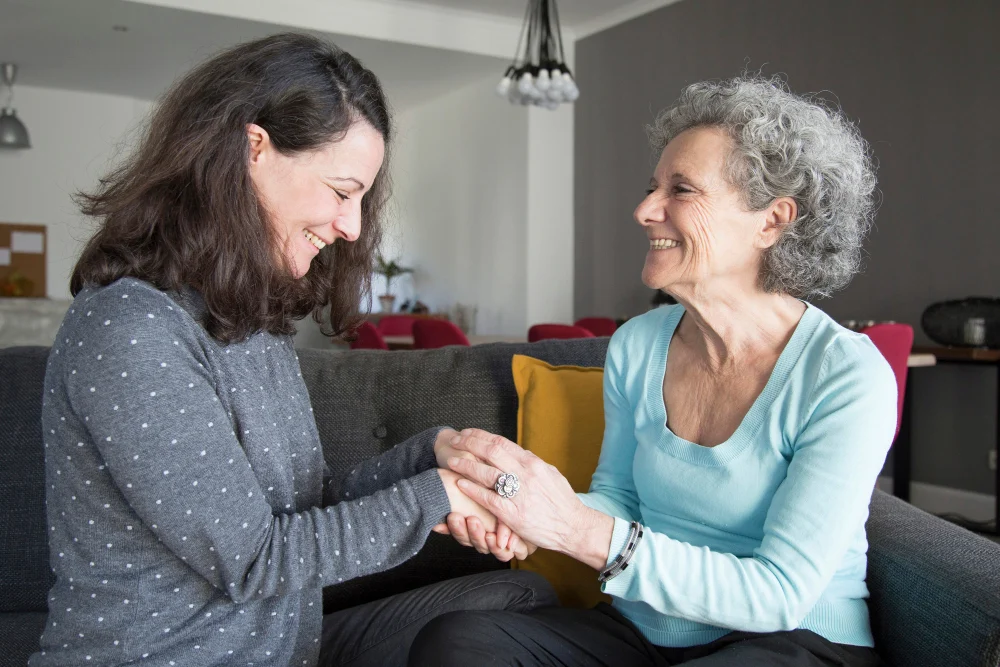

What Aging at Home Can Include

Our aging at home services focus on the practical support people need day-to-day — making life at home easier, safer, and more manageable.

Assistance with showering, dressing, grooming, mobility, and daily hygiene, delivered with dignity and respect.

Help with cleaning, laundry, dishes, and general household upkeep to maintain a safe and comfortable living environment.

Assistance with planning and preparing meals to ensure proper nutrition and consistent eating routines.

Support with attending medical appointments, shopping, or running errands, ensuring ongoing connection to essential services.

Encouragement and assistance to stay socially connected, whether through visits, outings, or community activities.

Helping maintain daily routines, including prompts for medication and general well-being checks.

Providing reliable care so family members can take a break, recharge, or manage other responsibilities.

Assistance with moving safely around the home and reducing risks of falls or injury.

How Our Aging at Home Support Is Delivered

Our services are flexible, respectful, and tailored to each individual.

Support is built around your needs, routines, and preferences.

Increase or adjust services as needs change over time.

Familiar faces who build trust and understanding.

Services designed to work alongside funding supports and care plans.

Starting Support Early Makes a Difference

Bringing in support doesn’t mean giving up independence — it means protecting it.

With the right help in place:

  • Daily tasks become more manageable

  • Safety risks can be reduced

  • Confidence can improve

  • Families gain peace of mind

Support can start small and grow over time, always guided by what’s needed — nothing more, nothing less.

Carer with elderly person at home