Preventing Falls at Home: Practical Steps and When to Seek Support
From clearing a walkway to checking a change in balance, small steps and timely support can help reduce falls risk at home.
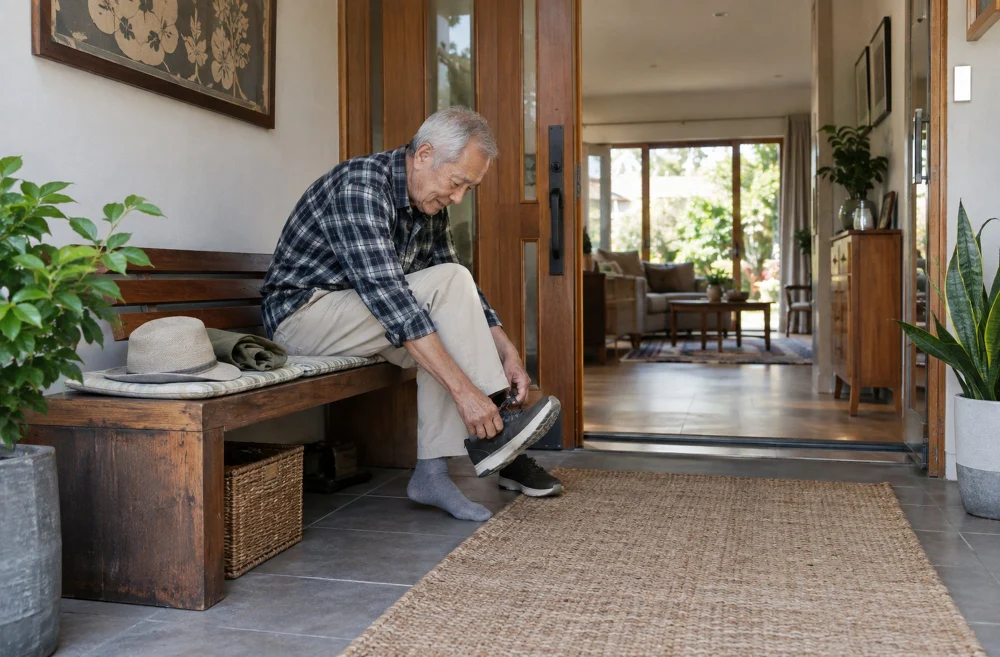
A near-miss in the hallway can be easy to dismiss. Perhaps a mat slipped, or someone felt dizzy for a moment and caught the back of a chair. These moments are worth noticing. A fall may involve a household hazard, a change in strength or balance, a health condition, a medicine side effect, or several things at once.
Preventing falls at home starts with practical changes, but it also means paying attention to what is happening with the person moving through that home. The aim is to make everyday life easier to manage, while knowing when to ask for help.
Make the usual routes easier to use
Start with the paths someone takes most often: bed to bathroom after dark, favourite chair to kitchen, and front door to the outside path. Clear cords and loose mats, improve lighting, wipe up spills, and keep daily items within comfortable reach. If a walking aid is used, leave enough room to use it. Check wet bathroom floors and slippery or uneven outdoor paths, too.
An occupational therapist can advise on suitable grab rails, equipment or changes to the home. For a more detailed checklist, see JNJ’s Ageing in Place: How to Create a Safer Home, Room by Room. The practical measures above are also covered by healthdirect’s Older people and falls and Better Health Channel’s Preventing falls at home.
Notice the changes that are less obvious
Not every warning sign is a fall. Someone might start holding the furniture while walking, hesitate at a step they used to manage, or avoid the shower because they no longer feel steady. A near-miss, new dizziness or a growing fear of falling is worth discussing, especially if it changes what the person feels able to do.
Think about whether anything else has changed recently. Has there been an illness, a hospital stay, a change in medicines, a problem with eyesight or more difficulty getting to the toilet in time? These details can help a GP work out what is contributing to the risk. A doctor or pharmacist can review medicines that may cause dizziness or drowsiness. Do not stop or change a prescribed medicine without professional advice.
Well-fitting shoes with good grip, an eyesight check and attention to foot problems can also make a difference. These steps are more useful when they address the person’s actual difficulties, rather than assuming every fall has the same cause.
Keep moving with the right guidance
After a fall or near-miss, it is understandable to feel cautious. But giving up ordinary movement altogether can reduce strength and confidence over time. Balance and strength activities suited to the person can help lower falls risk. If someone is already unsteady, has a health condition or is unsure what activity is suitable, their GP, physiotherapist or exercise physiologist can help them choose an appropriate approach. Healthdirect explains this in Physical activity guidelines for older people.
A support worker may help someone follow a movement routine recommended by a health professional and support their usual daily activities. Designing or changing an exercise program remains the health professional’s role.
Plan how to get help after a fall
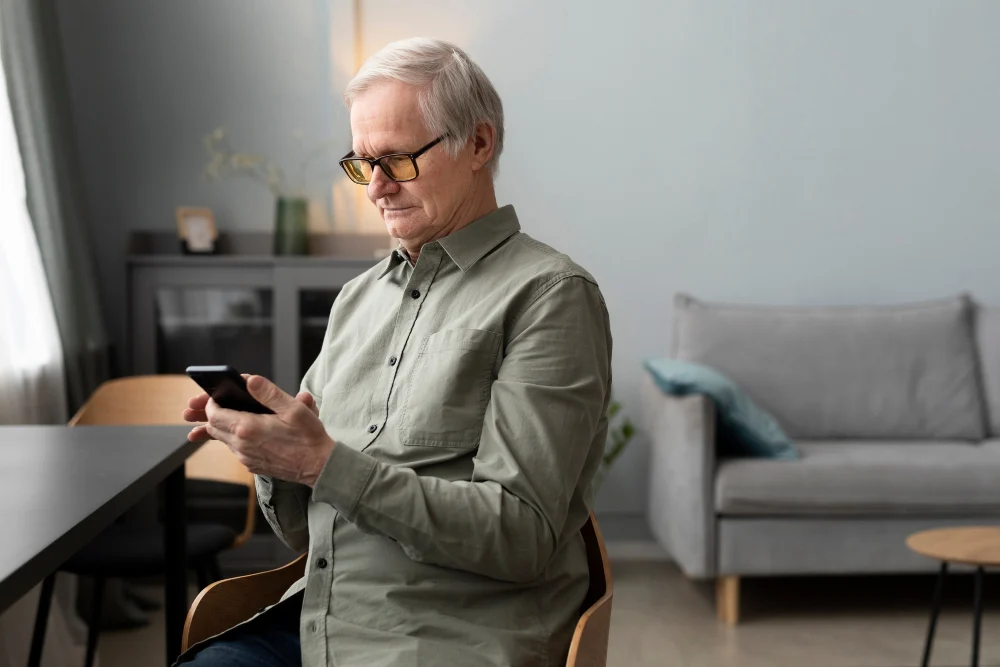
If someone spends time alone, consider how they would contact another person from the floor. Keeping a mobile phone on them, or using a personal alarm, can be more useful than leaving the phone across the room. Agree on who to call and make sure the person knows how to use the phone or alarm. Better Health Channel includes these steps in its advice on what to do if you fall at home.
If a fall happens, pause and check for pain or injury before trying to get up. Call for help if needed. Call triple zero (000) if the person is seriously injured, has severe pain, has suddenly collapsed for no clear reason, or cannot get up and needs urgent help. If they hit their head and are confused or unconscious, call 000. Do not try to lift someone who may be seriously injured. These emergency signs are described in healthdirect’s Calling triple zero (000) and Concussion guidance.
If the person hit their head but seems well, seek medical advice; head injury symptoms may not be obvious immediately. And whether or not an injury is apparent, tell the GP about the fall. Healthdirect recommends seeing a doctor after a fall even if the person feels fine.
What should you tell the GP?
You do not need to know why the fall happened before asking for help. It may be useful to note:
- when and where it happened, and what the person was doing
- whether they felt dizzy, faint or unsteady beforehand
- whether they hit their head, had pain or needed help getting up
- any recent near-misses, illness or medicine changes
- what has become harder to do since the fall.
A GP can review possible causes and advise whether an assessment, a medicine review, physiotherapy or occupational therapy would help. Bringing these observations to the appointment can make the conversation more useful.
Practical support at home
Health advice and day-to-day help can work together. JNJ Community Support Services offers Aging at Home support for older people who need assistance with routines, Domestic Assistance with household tasks, and Health and Mobility Support for practical help with movement and daily activities. Support is shaped by the person’s needs, preferences and relevant care or support plan.
JNJ support workers do not diagnose the cause of falls, conduct clinical assessments, prescribe exercises or fit mobility equipment. They can assist with agreed everyday tasks and work alongside the guidance of appropriately qualified health professionals.
Contact us
If you are in Bundaberg, Childers, Gin Gin, Rosedale, Woodgate or a surrounding community and would like to discuss practical support at home, contact JNJ Community Support Services.
References
- Healthdirect — Older people and falls
- Better Health Channel — Preventing falls at home
- Healthdirect — Physical activity guidelines for older people
- Healthdirect — Calling triple zero (000)
- Healthdirect — Concussion
- Healthdirect — Head injuries
Disclaimer
This article provides general information, not individual medical advice or a professional falls assessment. In an emergency, call triple zero (000). Information checked in September 2026.